Remaker

Plain-English guide

Understand the remaker meaning in context

The remaker meaning is simple: a remaker is a person, tool, or system that changes an existing image, video, or creative asset into a revised version. In modern AI discussions, the term usually points to software that helps reshape visual content.

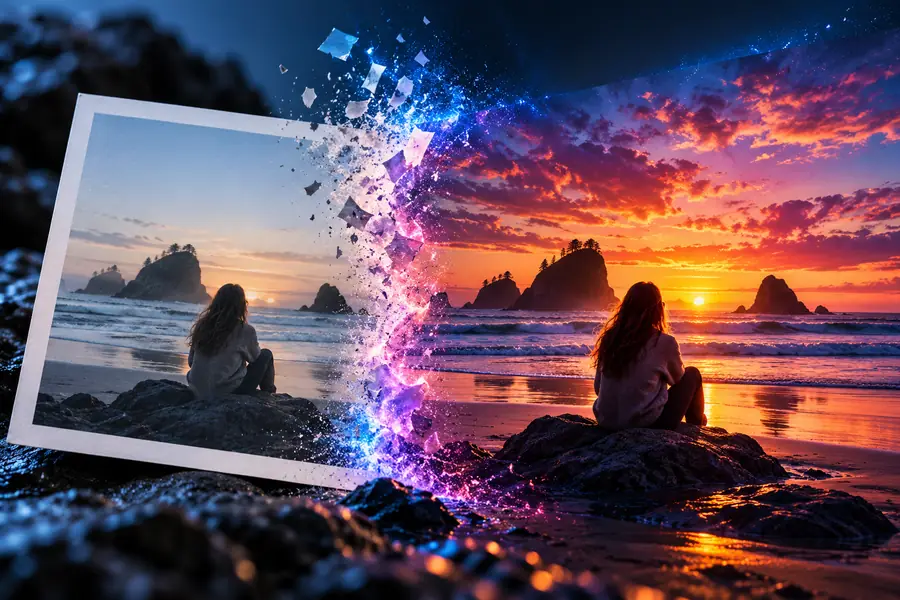
Creative visual editing examples representing the meaning of a remaker

People and purposes

Who Uses a Remaker?

Different users may use the same kind of remaker for very different creative or practical reasons. The common thread is starting with something that already exists and directing a new version.

Content creators

A creator wants to adapt one portrait or short clip for several posts without rebuilding every asset from scratch.

A remaker can help produce variations while the creator decides which result fits the story and audience.

remaker AI face swap photo

Video editors

An editor needs to test a visual change in a clip before committing to a longer manual process.

A remaker can provide an early visual direction that supports editing decisions and review.

remaker AI face swap video

Small businesses

A business owner wants product or campaign imagery adjusted for a new setting, mood, or audience.

A remaker can support faster concept exploration without requiring every variation to be photographed immediately.

remaker online face swap

Everyday image users

Someone has an old, awkward, or unsuitable image and wants to explore a more useful version.

A remaker can make experimentation more approachable, provided the user checks the result before sharing it.

remaker AI enhancer

The basic process

How Does a Remaker Work?

Most remaker workflows follow a simple pattern: provide source material, describe or choose the change, then inspect the result and refine it if needed.

Provide the source

Start with an image, video, or other visual asset that you have the right to use. Clear subjects and adequate quality usually make the intended change easier to judge.

Define the change

Choose the type of revision you want, such as changing a face, improving an image, or replacing a background. The clearer the goal, the easier it is to evaluate the output.

Review the result

Compare the revised version with the original, look for unwanted changes, and keep only an output that matches your purpose and respects the people represented.

A practical distinction

From Original Asset to Remade Result

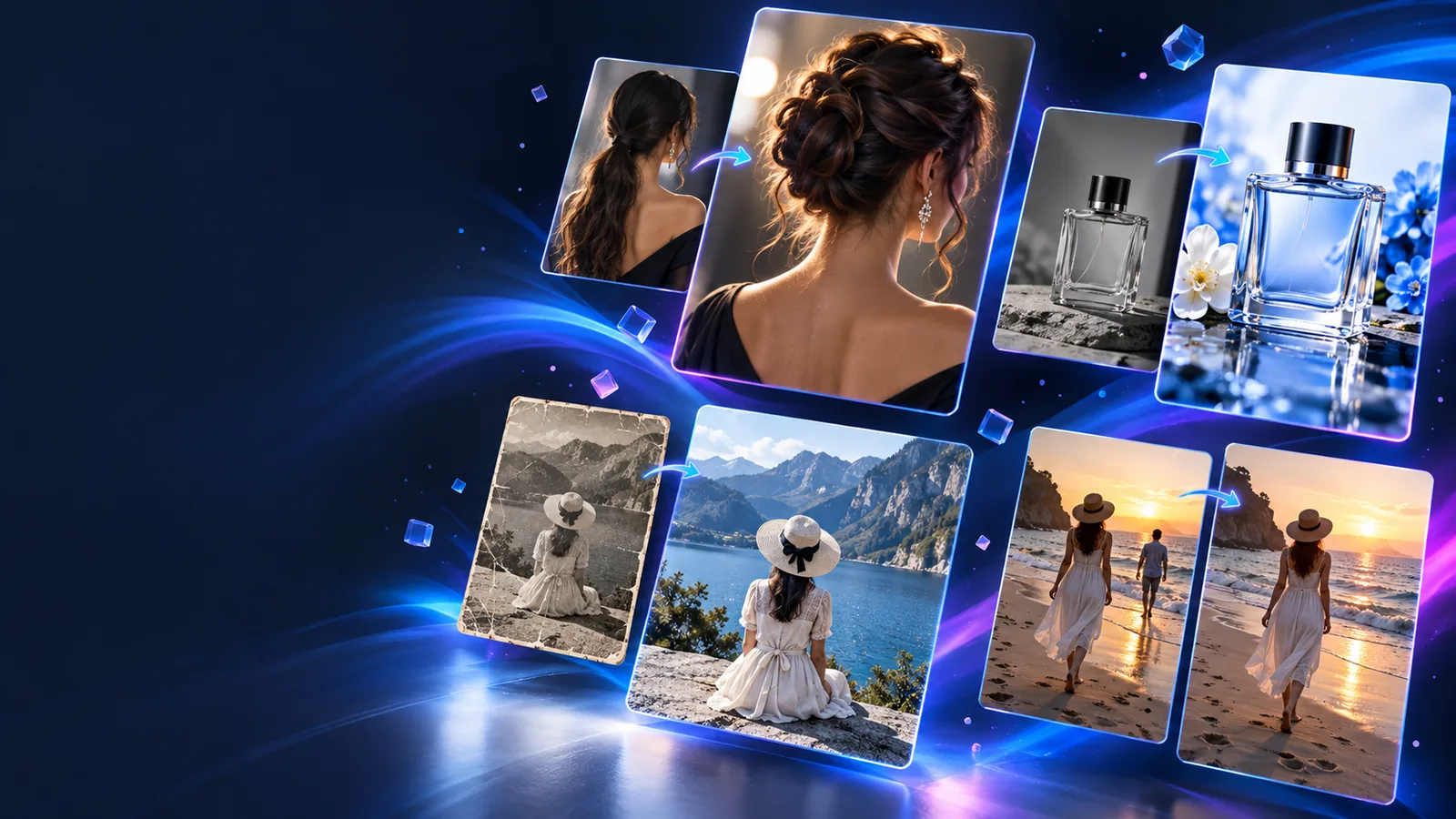
A remaker does not simply display the original file. It applies a requested transformation, so the useful question is whether the change is accurate, appropriate, and wanted.

Original

Original visual prepared for a creative transformation
Remade portrait showing a changed visual treatment
Remade

The output is a revision, not a new source of truth.

A useful comparison

Remaker Versus Manual Editing

The term can describe a broad approach, while manual editing describes a hands-on production method. They can also work together: a remaker may create a starting point that a person then corrects or refines.

Remaker workflow Manual editing
1

Starting point

Remaker workflow

Uses an existing asset as the basis for a requested revision.

Manual editing

Uses an existing asset and changes it through direct human decisions.

2

Direction

Remaker workflow

The user gives a goal, selection, or instruction for the change.

Manual editing

The editor controls individual adjustments and techniques.

3

Iteration

Remaker workflow

Useful for exploring several possible directions quickly.

Manual editing

Useful when each adjustment needs deliberate, visible control.

4

Consistency

Remaker workflow

Results may vary between attempts or source materials.

Manual editing

A skilled editor can repeat a defined process more deliberately.

5

Fine control

Remaker workflow

May not expose every underlying change for direct editing.

Manual editing

Offers detailed control over layers, masks, corrections, and timing.

6

Best role

Remaker workflow

Concept exploration, variation, and assisted transformation.

Manual editing

Precision finishing, correction, and approval-ready production.

Important boundaries

What a Remaker Cannot Do

Understanding the remaker meaning also means understanding what the label does not promise. A remaker is a tool for transformation, not a guarantee of truth, consent, or professional judgment.

It cannot establish consent

A transformed image may still involve a real person, likeness, or copyrighted source. The tool cannot decide whether you have permission to use it.

WorkaroundConfirm rights and consent before transforming or publishing material.

It cannot guarantee accuracy

A remade result can introduce visual errors, identity inconsistencies, or details that were not present in the source.

WorkaroundInspect faces, hands, text, edges, and context before relying on the output.

It cannot replace creative judgment

A technically coherent result may still be unsuitable for the intended audience, message, or brand.

WorkaroundUse human review to select, revise, and approve the final version.

It cannot make every source suitable

Low-quality, obstructed, ambiguous, or heavily compressed material may limit the usefulness of any transformation.

WorkaroundStart with the clearest source available and set realistic expectations.

Make the idea concrete

Ready to Explore What a Remaker Can Change?

Use Remaker as a starting point for visual experimentation, then review every result with the same care you would give to a manually edited asset. A clear source and a specific goal make the process easier to understand.

  • Start with material you can legally use
  • Describe the intended change clearly
  • Review the result before sharing

Questions answered

Remaker Meaning: Frequently Asked Questions

A remaker is something that changes an existing creative asset into a revised version. In current AI usage, it often refers to software that assists with image or video transformations.

The terms overlap, but they are not always identical. AI editor describes the technology or editing method, while remaker emphasizes the act of producing a new version from an existing asset.

Depending on the tool and source, it may help alter a face, background, visual style, detail, or other selected aspect. The available transformation depends on the specific product, input, and requested result.

Creators, editors, businesses, and everyday image users may use one for concept development or visual revision. Users should still check rights, consent, accuracy, and suitability before publishing an output.

No. A remade result is derived from an existing source and may retain recognizable elements from it. Treating the output as independent or automatically safe to publish would be an incorrect assumption.

Start creating
Start creating